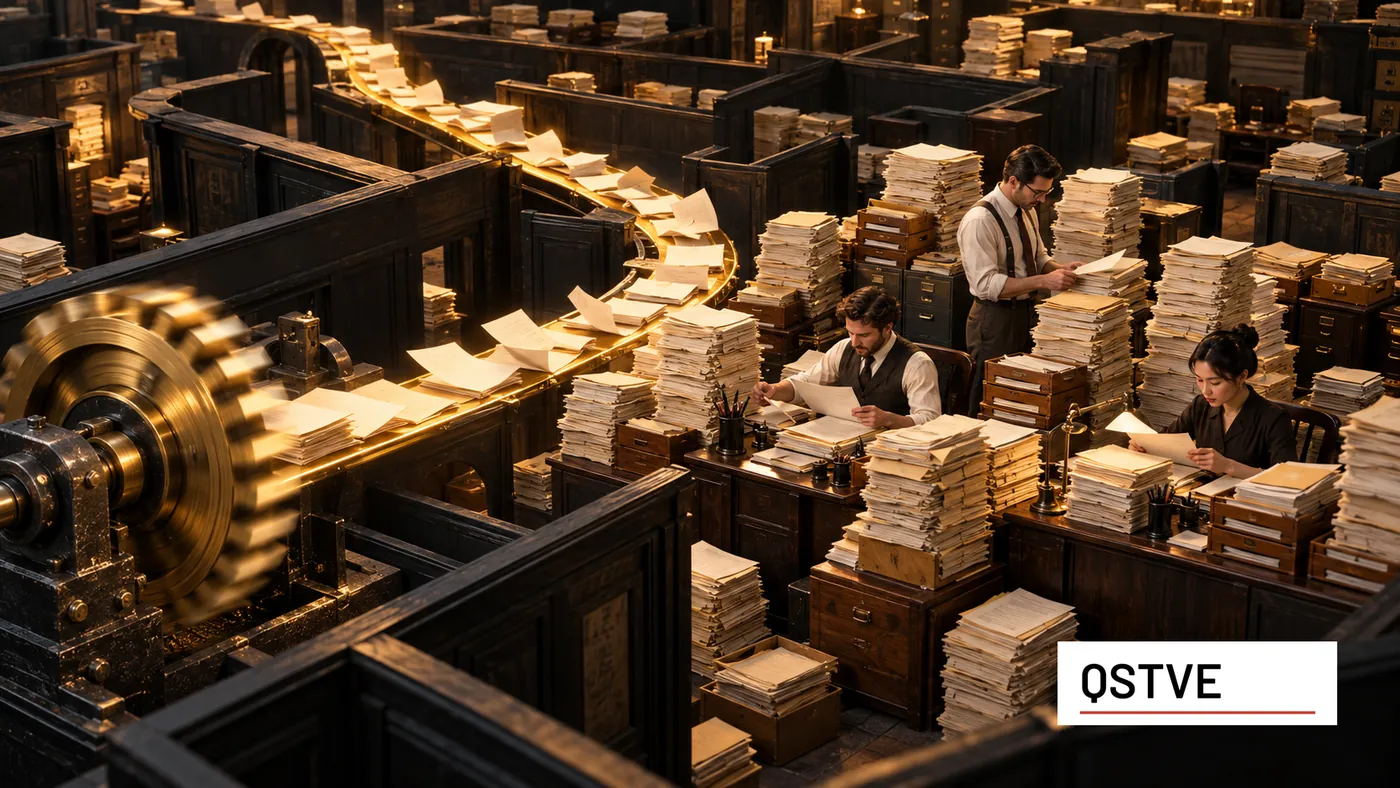
At Procter & Gamble, which sells diapers and toothpaste, a research team tried a simple test. They gave some workers a partner, gave others AI, and asked them to come up with ideas.[2]
Making a product takes more than one kind of knowledge. Someone's got to know how to build it, while someone else has to know why people would buy it. Those people often need each other's help, which is one reason companies have so many meetings.
In 2024, a team studied 776 P&G workers in one-day tests. Some worked alone and others in pairs, with one person from the business side and one who helped develop products. Some used AI after an hour of training, while others worked without it. Experts then judged the ideas without knowing who'd made them.[2]
The people working alone with AI did about as well as pairs working without it. AI also helped business workers think more about how a product would work, while research workers thought more about what buyers might want.[2]
Imagine what could happen at their next meeting. If each person arrived knowing more about the other's work, they'd have more time to solve the hard parts because they wouldn't need to spend as long explaining the basics. The study tested ideas rather than finished products, but it gave a company good reason to try a new way of working.
When faster feels faster
A study of people who write software showed why companies need to check the whole job. In early 2025, METR studied 16 skilled workers on 246 real tasks. Those allowed to use AI took 19 percent longer, even though they thought it'd made them faster.[3]
The machine's help was easy to see because it wrote code right on the screen. Reading that code and fixing its mistakes also took time, however, and those costs counted toward the final result.
By February 2026, the picture seemed to be changing. METR found signs that newer tools helped more, although it couldn't say by how much. Some workers didn't want tasks without AI. Others used several AI agents at once, which made their time harder to track.[4]
The tools had changed, and so had the way people used them. A lesson learned from last year's AI could already need a fresh test.
What a few months could change
Suppose a company's starting a trial this quarter, asking AI to prepare work for a person to check. A better version arrives next quarter and handles some of the problems that once needed help. Before long, the person's able to watch over several jobs at once.
Things might unfold that way, though we can't know yet. The gains could stop if mistakes cost too much or checking takes too long. Yet a few months of progress could change far more than which software a company buys.
At P&G, people used AI to reach into each other's fields. If future tools can carry more of that work through to a sound result, companies may need to rethink what happens between meetings as well as during them.
A sign worth watching
So, which day are we on? A singularity would mean machines driving change faster than people could keep up. We can look for signs that might bring us closer.
I'd watch for AI that helps build better AI, with each new version helping people build the next one faster. We'd need strong proof over several rounds. Outside experts would have to check the gains and count how much work people still did.
Even then, the process could slow because it needs more chips, power or human help. The studies here can't tell us when such a cycle might begin or how far it'd go.
For now, we can watch for AI that finishes a whole job well and deals with common problems along the way. Checking its work should take us less time than doing the job ourselves.
As that becomes more common, the P&G workers might arrive at each meeting with more of the work already done. They'd have to decide what to do with the time saved, even while the tools kept improving.
A quarter would still last three months, but the way people spent those months could change a great deal.
Sources
[2] https://www.nber.org/papers/w33641
[3] https://metr.org/blog/2025-07-10-early-2025-ai-experienced-os-dev-study